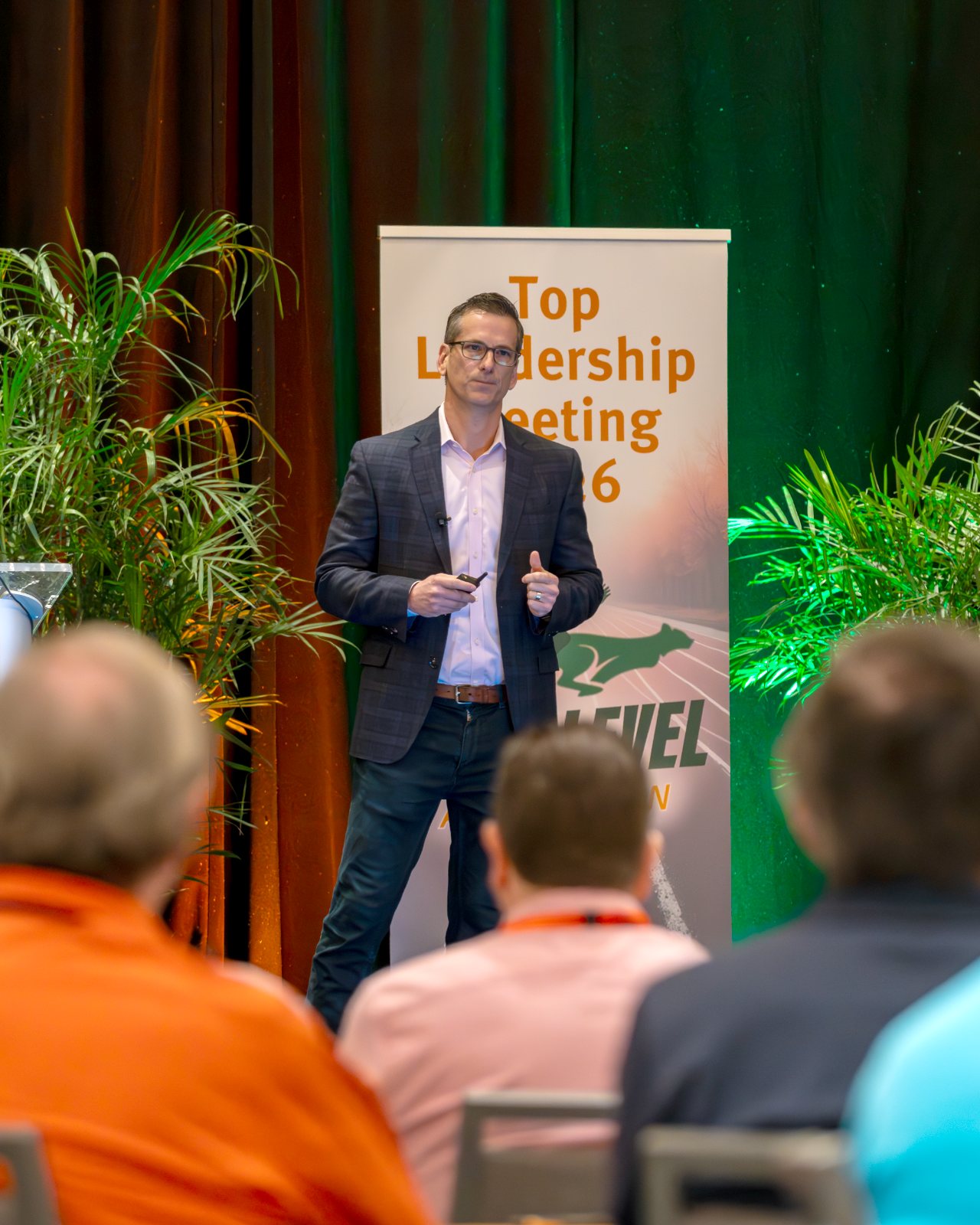
Most event video ends up as a recap nobody rewatches.
A wide shot of the stage, some cutaways, music over the top. It proves the event happened. It gives the organisation nothing to use. We cover events to be cut apart: the play, the panel, the conversations on the floor, the prize-giving, clean room tone — so you get a highlight film, vertical pieces that stand on their own in a feed, and stills, out of one booking.
Four seasons shooting tournaments for USPA Global and multi-day coverage aboard operating cruise ships taught the same lesson: there is no second take, so the coverage plan has to be finished before the doors open.
A sport that doesn't wait for the camera.
Polo runs at forty miles an hour across three hundred yards — there is no second take and no mark to hit. Four seasons shooting tournaments for USPA Global taught the coverage plan this film uses: long lens on the play, a second camera on the sideline and the prize-giving, and the cut built the same night so the organisation posts while the crowd is still there.
A 10-goal player, on the record.
Panels are usually filmed from the back of the room on one camera, and nobody watches them. This one opens with Tim Gannon — Outback Steakhouse co-founder, five-time U.S. Open winner and the man now chairing the National Polo Center — framing why the venue matters, then hands the microphone to Facundo Pieres.
Covered close, with wireless audio off the panel mics, so it cuts into a film for the site and single-answer clips for social. When the room holds this much authority, the job is to make it audible.
An evening, not an agenda.
A book launch is a social event, so the film is built out of the room rather than the stage: the bar, the arrivals, the conversations, the details of the venue. Guests recognise themselves in it, which is what makes them share it.
Shot handheld and close with available light, so the crew reads as guests rather than production — and the club gets a piece that sells the next event, not just a record of this one.
The piece that actually gets posted.
A highlight film lives on the website. This is what lives in the feed: framed at 9:16 on the night, not cropped from the wide afterwards, so faces stay whole and the titles have room. Same crew, same booking, delivered next morning.
The plan is finished before the doors open.
An event is the one job you cannot reshoot. Everything that can be decided in advance is decided in advance — so on the day the crew is covering, not improvising.
Run of show
We read your schedule and tell you what we need: camera positions, power, access, who to talk to. You get a coverage plan tied to your timings.
On the day
Two or more cameras, wireless audio off the desk, and a crew that stays out of your guests' way. Play, panel, floor, awards, room tone.
Same-night cut
A short piece cut on site or that evening, so you can post while the audience is still in the room and the story is still live.
Full delivery
The highlight film, vertical cutdowns and the stills, colour-graded and mixed — plus the raw archive if you want it.
Event coverage — frequent questions
See all questions →How soon after the event do we get the video?
Minimum turnaround is three days. For events we usually prioritise a short social cut first while the full recap film is finished.
How far in advance should we book event coverage?
At least five business days, ideally a week, so we can secure crew and gear for your date.
Do you cover multi-day events or parallel rooms?
Yes. We add operators when sessions run in parallel or the event spans several days, and plan the coverage per room in advance.
Do you cover events outside Miami?
Yes. Broward, Miami-Dade and Palm Beach are routine, and we travel to Tampa, Orlando and the rest of Florida when the event calls for it.
Can you shoot photography and video at the same event?
Yes. Both can be covered in one booking; we agree it beforehand so the right crew is assigned.
Send us the date and the run of show.
Dates go fast in season, so the earlier the better. We come back with a coverage plan, a scope and a number — usually within two business days.